
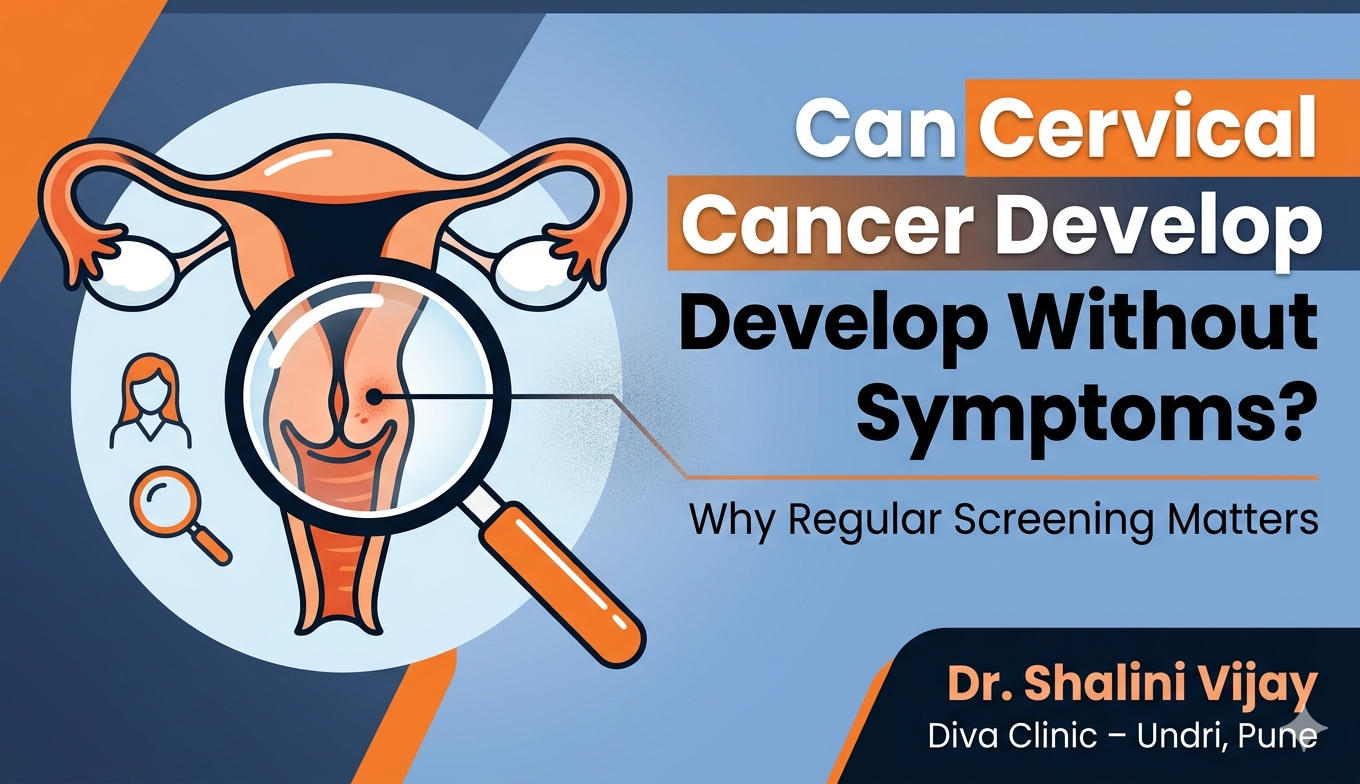
Cervical cancer is one of the most preventable types of cancer in women, yet many cases are detected late because early stages often develop silently. Many women assume that serious conditions always show warning signs, but that is not always the case. Cervical cancer can grow for years without causing noticeable symptoms. This is why regular screening is extremely important.
For women in Undri, Pune, regular gynecological checkups with Dr. Shalini Vijay at Diva Clinic can help detect cervical changes early and prevent complications.
Understanding Cervical Cancer
Cervical cancer begins in the cells of the cervix, which is the lower part of the uterus connecting to the vagina. In most cases, cervical cancer develops slowly over time. Before cancer forms, the cervical cells usually go through abnormal changes known as precancerous lesions.
If these abnormal cells are detected early through screening tests, they can be treated before they turn into cancer.
Can Cervical Cancer Really Develop Without Symptoms?
Yes, cervical cancer in its early stages often causes no symptoms at all. Many women feel completely healthy and may not notice any unusual signs.
Symptoms typically appear only when the disease progresses. This is why routine screening plays a critical role in early detection.
Some women may eventually notice symptoms such as:
- Unusual vaginal bleeding between periods
- Bleeding after intercourse
- Bleeding after menopause
- Persistent pelvic pain
- Unusual vaginal discharge
However, these symptoms may appear only in later stages, which is why doctors emphasize preventive screening.
The Role of the Pap Smear Test
A Pap smear is one of the most effective screening tests used to detect abnormal cervical cells. During this test, a small sample of cells is collected from the cervix and examined under a microscope.
The test helps identify early changes in cervical cells before they develop into cancer.
Women are usually advised to start Pap smear screening from their early twenties and continue it regularly depending on their doctor’s recommendation.
At Diva Clinic in Undri, Pune, Dr. Shalini Vijay regularly performs cervical screening tests as part of preventive women’s healthcare.
Why Regular Screening Matters
Regular screening helps in:
- Detecting abnormal cells before they become cancerous
- Identifying early-stage cervical cancer when treatment is most effective
- Monitoring cervical health over time
- Reducing the risk of advanced disease
Early detection greatly increases the chances of successful treatment.
Who Should Get Screened?
Women should consider cervical screening if they:
- Are between 21 and 65 years of age
- Are sexually active
- Have never had a Pap smear test before
- Have had abnormal Pap smear results in the past
Women with risk factors such as HPV infection, smoking, or weakened immunity may need more frequent screening.
Preventing Cervical Cancer
Although screening is important, prevention also involves lifestyle and medical measures such as:
- Getting vaccinated against HPV
- Practicing safe sexual health
- Maintaining regular gynecological checkups
- Avoiding smoking
- Following medical advice for abnormal reports
These steps significantly reduce the risk of developing cervical cancer.
Cervical Cancer Screening in Undri, Pune
If you live in Undri, NIBM Road, or nearby areas of Pune, it is important to schedule regular gynecological checkups.
Dr. Shalini Vijay at Diva Clinic provides comprehensive women’s health services including cervical cancer screening, Pap smear testing, and preventive counseling. Early diagnosis can make a significant difference in treatment outcomes and overall health.
Final Thoughts
Cervical cancer often develops silently, which is why many women are unaware of it until symptoms appear. Regular screening tests like the Pap smear allow doctors to detect abnormal changes early and prevent serious complications.
Women should not wait for symptoms to appear before consulting a gynecologist. Preventive care and timely screening remain the most effective ways to protect cervical health.