
By Dr. Shalini Vijay | Gynecologist in Undri, Pune | DIVA Clinic
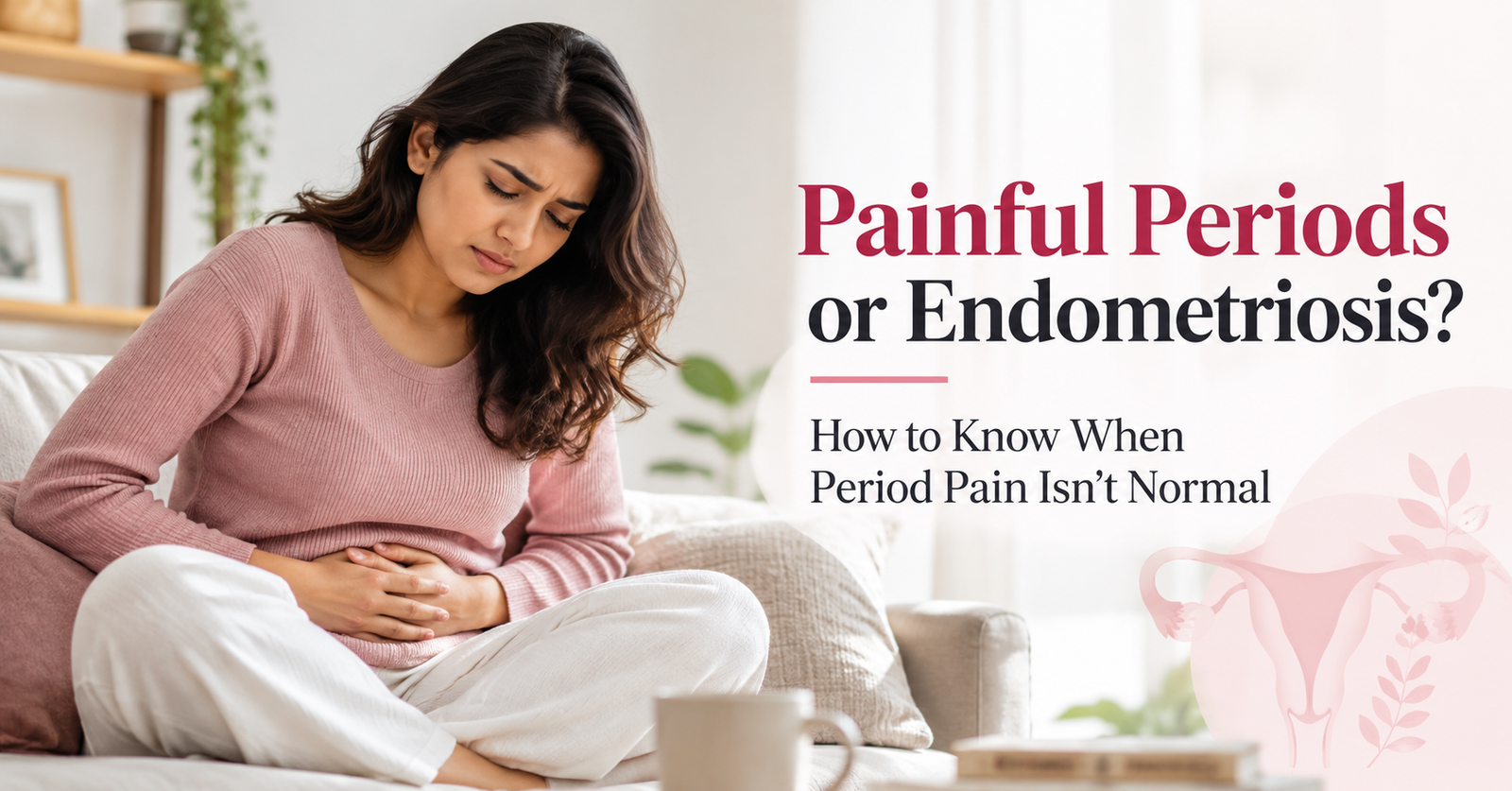
Period pain is common, but that doesn’t mean every type of menstrual pain is normal. While mild cramps during menstruation are usually manageable, severe period pain that interferes with your daily activities could be a sign of an underlying gynecological condition, such as endometriosis.
Many women experience painful periods for years without realizing that their symptoms may need medical attention. Understanding the difference between normal menstrual cramps and endometriosis-related pain can help you seek timely diagnosis and appropriate treatment.
If you’re experiencing persistent or severe period pain, consulting Dr. Shalini Vijay, Gynecologist in Undri, Pune, can help you understand the possible causes and explore suitable treatment options.
What Is Normal Period Pain?
Menstrual cramps, medically known as dysmenorrhea, occur when the uterus contracts to shed its lining during menstruation. These contractions are influenced by natural chemicals called prostaglandins.
Typical menstrual cramps may include:
- Mild to moderate lower abdominal discomfort
- Cramping that begins just before or during menstruation
- Pain that is strongest during the first 1–2 days
- Discomfort that improves with heat therapy or appropriate pain relief
- Mild lower back pain
However, pain severity alone cannot determine whether your periods are normal. Even common menstrual cramps can sometimes be severe, while conditions such as endometriosis may cause symptoms that vary significantly between women.
If menstrual pain regularly disrupts your routine, it deserves medical evaluation.
What Is Endometriosis?
Endometriosis is a chronic gynecological condition in which tissue similar to the lining of the uterus grows outside the uterus.
These endometriosis lesions are commonly found around the ovaries, fallopian tubes, and pelvic lining. They can cause inflammation, irritation, scar tissue formation, and persistent pelvic pain.
Endometriosis may affect women and adolescents of reproductive age and can sometimes contribute to fertility difficulties.
Although endometriosis is a chronic condition, several medical and surgical treatments can help manage symptoms and improve quality of life.
7 Warning Signs Your Period Pain May Be More Than Normal Cramps
1. Severe Period Pain That Disrupts Daily Life
If menstrual cramps regularly force you to miss work, college, or everyday activities, they should not be ignored.
2. Pelvic Pain Even When You’re Not on Your Period
Endometriosis-related pain may occur before, during, or after menstruation. Some women experience persistent pelvic discomfort throughout the month.
3. Pain During or After Intercourse
Deep pain during or after sexual intercourse can sometimes be associated with endometriosis and other pelvic conditions.
4. Painful Bowel Movements or Urination
Pain during bowel movements or urination, especially around menstruation, may indicate endometriosis involving areas near the bowel or bladder.
5. Heavy Menstrual Bleeding
Some women with endometriosis experience heavy periods or bleeding between cycles. However, heavy bleeding can also occur due to fibroids, adenomyosis, and other conditions.
6. Difficulty Getting Pregnant
Endometriosis can sometimes affect fertility. However, many women with endometriosis conceive naturally, and a diagnosis does not automatically mean infertility.
7. Period Pain That Gets Progressively Worse
Menstrual pain that becomes more intense over time, lasts longer than usual, or responds poorly to previously effective treatment should be assessed by a gynecologist.
Normal Period Cramps vs Endometriosis: Key Differences
| Feature | Typical Menstrual Cramps | Possible Endometriosis |
|---|---|---|
| Pain timing | Mainly around menstruation | During or outside periods |
| Daily activities | Often manageable | May significantly interfere |
| Pelvic pain | Usually temporary | May be persistent or recurring |
| Pain during intercourse | Not typical | May occur |
| Bowel or bladder pain | Less typical | May worsen around periods |
| Fertility | Usually unaffected | May be affected in some women |
Important: These differences are general patterns, not diagnostic rules. Symptoms can overlap, and endometriosis cannot be confirmed based on pain alone.
How Is Endometriosis Diagnosed?
If you visit a gynecologist for severe menstrual pain, the evaluation may include:
1. Medical History and Symptom Assessment
Your gynecologist will discuss your menstrual cycle, pain intensity, symptom timing, and any associated bowel, bladder, or fertility concerns.
2. Pelvic Examination
A pelvic examination may be recommended depending on your symptoms, age, comfort, and medical circumstances.
3. Pelvic Ultrasound
An ultrasound may help identify ovarian endometriomas or certain forms of deep endometriosis. However, a normal ultrasound does not rule out endometriosis.
4. MRI or Laparoscopy, When Required
MRI may be useful in selected cases. Laparoscopy, a minimally invasive surgical procedure, may be considered when appropriate, but surgery is not always required before starting treatment.
Early clinical assessment can help reduce unnecessary delays in managing symptoms.
What Are the Treatment Options for Endometriosis?
Treatment depends on your symptoms, age, medical history, reproductive plans, and personal preferences.
Pain Management
Your doctor may recommend suitable pain-relieving medicines and supportive measures such as heat therapy.
Hormonal Treatment
Hormonal contraceptives, progestin-based treatments, or other hormonal therapies may help control endometriosis-related pain in appropriate patients.
Laparoscopic Surgery
Surgery may be considered for selected patients, particularly when symptoms persist despite treatment or when specific anatomical or fertility concerns require attention.
Fertility Planning
Women who are planning pregnancy may need an individualized approach based on age, ovarian reserve, symptoms, and other fertility factors.
There is currently no guaranteed permanent cure for endometriosis, but effective treatment can significantly improve symptoms and quality of life.
When Should You Visit a Gynecologist for Period Pain?
Consider scheduling a gynecological consultation if:
- Period pain regularly affects work, studies, or sleep.
- You experience persistent or worsening pelvic pain.
- You have pain during intercourse.
- Your periods are unusually heavy or irregular.
- You experience painful bowel movements during menstruation.
- You have concerns about fertility.
Sudden severe pelvic pain, especially with fainting, fever, vomiting, or a possible pregnancy, requires urgent medical assessment rather than a routine appointment.
Consult Dr. Shalini Vijay, Gynecologist in Undri, Pune
Painful periods should never be dismissed simply because menstrual cramps are common.
Whether you’re experiencing severe menstrual cramps, irregular periods, chronic pelvic pain, or symptoms suggestive of endometriosis, a gynecological consultation can help identify potential causes and guide appropriate care.
Dr. Shalini Vijay at DIVA Clinic, Undri, Pune, provides gynecological consultations for women’s reproductive health concerns.
If you’re looking for a gynecologist in Undri, Pune, for painful periods or endometriosis-related concerns, schedule a consultation to discuss your symptoms and treatment options.
DIVA Clinic
Dr. Shalini Vijay
Gynecologist | Undri, Pune
Disclaimer: This article is intended for general educational purposes and does not replace individualized medical advice, diagnosis, or treatment.
Frequently Asked Questions (FAQs)
1. Is severe period pain always a sign of endometriosis?
No. Severe menstrual pain may occur due to primary dysmenorrhea, endometriosis, adenomyosis, fibroids, or other conditions. A gynecologist can help evaluate the cause.
2. Can endometriosis occur with regular periods?
Yes. Women with regular menstrual cycles can still have endometriosis. Regular periods do not rule out the condition.
3. Can endometriosis be detected through ultrasound?
Ultrasound can identify some forms of endometriosis, particularly ovarian endometriomas, but superficial endometriosis may not be visible.
4. Does endometriosis cause infertility?
Endometriosis can affect fertility in some women, but many women with the condition become pregnant naturally.
5. Which doctor should I consult for painful periods in Undri, Pune?
You can consult a qualified gynecologist such as Dr. Shalini Vijay at DIVA Clinic, Undri, Pune, for evaluation of persistent or severe menstrual pain.