
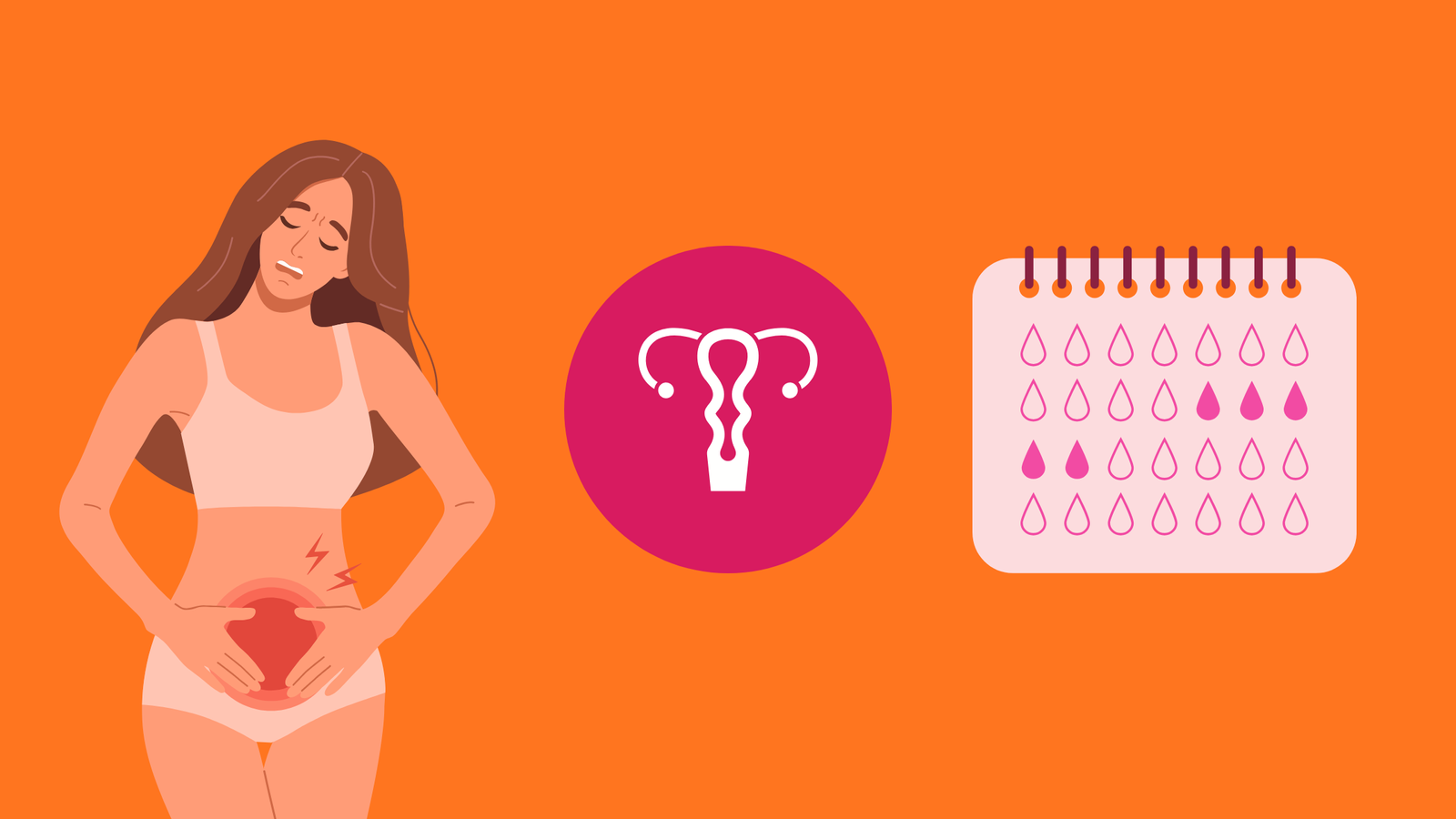
Irregular periods are a common concern among women of all ages. While occasional changes in the menstrual cycle are normal, persistent irregularities may signal an underlying health issue that needs medical attention.
What Are Irregular Periods?
A normal menstrual cycle ranges between 21 to 35 days. Periods may be considered irregular if:
- Cycles are consistently too short or too long
- Periods are missed frequently
- Bleeding is extremely heavy or very light
Common Causes of Irregular Periods
There are several reasons why menstrual cycles may become irregular:
- Hormonal imbalances (PCOS, thyroid disorders)
- Stress and lifestyle changes
- Sudden weight gain or loss
- Excessive exercise
- Pregnancy or breastfeeding
- Perimenopause
When Should You See a Gynecologist?
You should consult a gynecologist if:
- Periods stop for more than 3 months
- Bleeding lasts longer than 7 days
- You experience severe pain during periods
- Periods are affecting your daily life or fertility plans
How Irregular Periods Affect Fertility
Irregular ovulation can make it difficult to conceive. Identifying the cause early can help restore hormonal balance and improve fertility outcomes.
Diagnosis and Treatment
Your gynecologist may recommend:
- Blood tests to check hormones
- Ultrasound scans
- Lifestyle modifications
- Medications to regulate cycles
- Fertility treatments if required
Don’t Normalize Period Problems
Many women ignore menstrual issues thinking they are “normal.” Your periods are a vital sign of your reproductive health—any persistent change deserves attention.
If you’re dealing with irregular periods or menstrual discomfort, consult Dr. Shalini Vijay at Diva Clinic, Undri. With expert diagnosis and compassionate care, she helps women regain hormonal balance and reproductive health. Book your appointment today and take the first step toward better women’s health.