
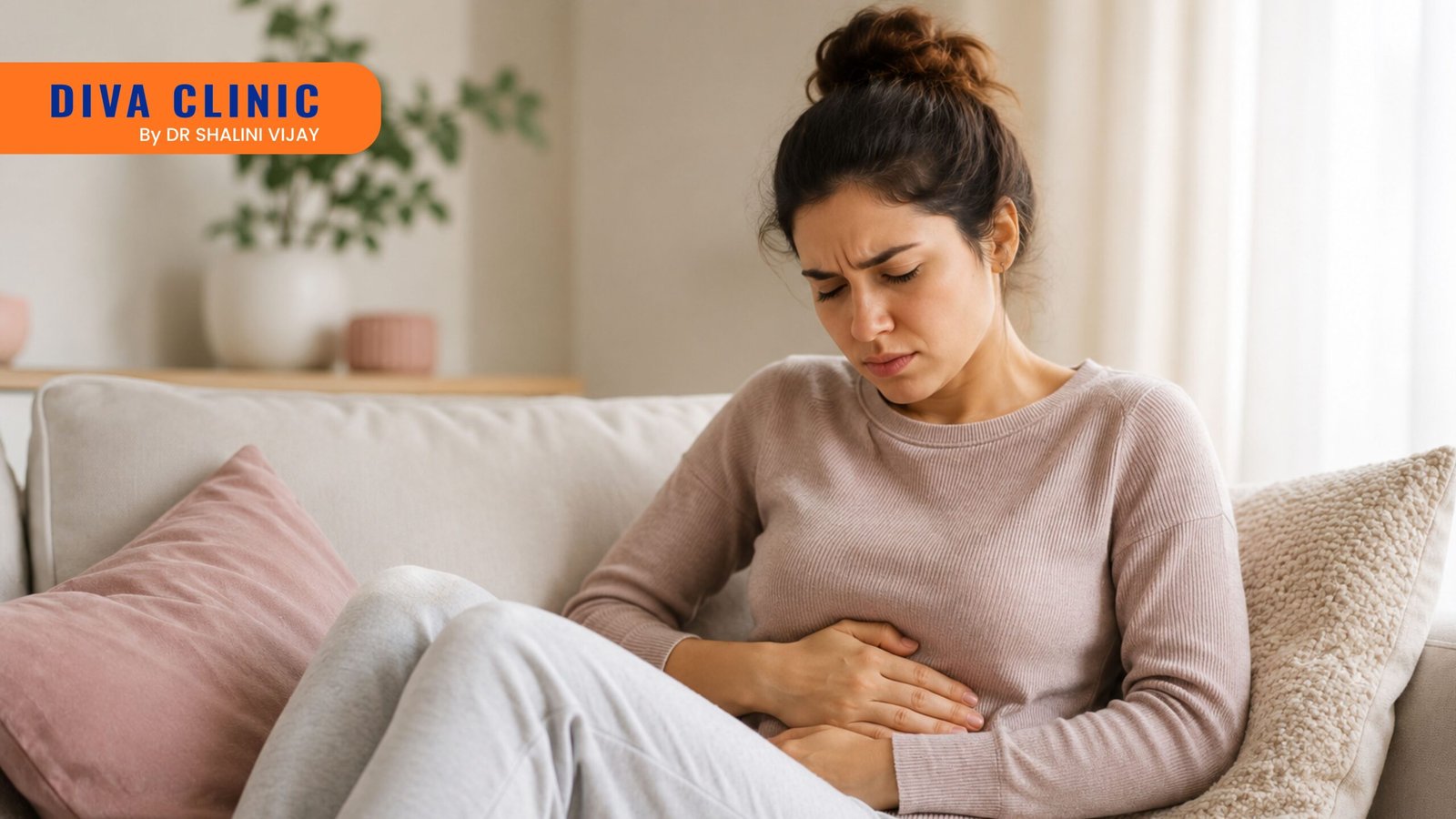
Why Your Body Feels Heavy, Puffy, and Uncomfortable Before Menstruation
Many women notice the same frustrating pattern every month:
- The stomach suddenly feels swollen
- Clothes feel tighter
- The body feels heavier
- There is discomfort, fullness, or gas
Then, once periods begin, everything slowly feels normal again.
This common symptom is known as premenstrual bloating, and while many women experience it, very few truly understand why it happens.
The truth is, bloating before periods is not “just weight gain.” It is usually connected to hormonal and body changes happening internally before menstruation starts.
What Exactly Is Premenstrual Bloating?
Premenstrual bloating refers to the feeling of:
- Fullness in the abdomen
- Tightness in the stomach area
- Temporary swelling
- Water retention
- Increased gas sensation
It usually appears a few days before periods and improves once menstruation begins.
For some women, bloating is mild. For others, it can feel uncomfortable enough to affect confidence, mood, and daily activities.
Hormones Play a Major Role
One of the biggest hidden reasons behind bloating before periods is hormonal fluctuation.
During the menstrual cycle, estrogen and progesterone levels naturally rise and fall. These hormonal changes can affect how the body:
- Retains water
- Digests food
- Handles salt balance
- Moves gas through the intestines
As a result, many women feel puffiness and heaviness before periods begin.
Water Retention Is More Common Than You Think
Before menstruation, the body may temporarily hold extra water.
This can lead to:
- Swollen stomach
- Puffy face
- Breast tenderness
- Feeling heavier than usual
Many women think they suddenly gained weight overnight, but often it is temporary water retention linked to hormonal changes.
Digestion Also Slows Down Before Periods
Hormonal changes can affect the digestive system too.
Some women notice:
- Constipation
- Increased gas
- Slower digestion
- Food cravings
- Abdominal discomfort
This is another hidden reason why bloating feels worse before menstruation.
Stress Can Make Bloating Worse
Stress affects more than emotions.
High stress levels can influence:
- Hormones
- Digestion
- Sleep quality
- Cravings
- Water retention
Women who are stressed, sleep-deprived, or emotionally overwhelmed may notice stronger premenstrual symptoms, including bloating.
Food Choices Before Periods Matter
Many women naturally crave:
- Salty foods
- Sugary snacks
- Fast food
- Caffeine
- Carbonated drinks
during the premenstrual phase.
Unfortunately, these foods may worsen:
- Water retention
- Gas
- Digestive discomfort
- Abdominal swelling
This creates a cycle where cravings temporarily feel satisfying but increase bloating afterward.
Lack of Movement Can Increase Discomfort
Low physical activity before periods may slow digestion further and increase the feeling of heaviness.
Even gentle movement like:
- Walking
- Stretching
- Light exercise
- Yoga
can help improve circulation and reduce bloating in some women.
Is Bloating Before Periods Normal?
Mild bloating before periods is extremely common and usually normal.
However, severe or persistent bloating should not always be ignored, especially if it is associated with:
- Severe pain
- Irregular periods
- Heavy bleeding
- Sudden abdominal enlargement
- Digestive issues
- Extreme discomfort
In some cases, conditions like:
- PCOS
- Endometriosis
- IBS
- Ovarian cysts
- Hormonal imbalance
may contribute to symptoms.
Tips That May Help Reduce Premenstrual Bloating
Simple Lifestyle Changes Can Make a Difference
Many women find relief by:
- Drinking enough water
- Reducing excess salt intake
- Avoiding excessive junk food
- Staying physically active
- Sleeping properly
- Managing stress
- Eating balanced meals
Small changes often help the body manage hormonal fluctuations better.
Don’t Ignore Your Body’s Signals
Many women silently normalize monthly discomfort because “everyone goes through it.”
But your menstrual symptoms are still signals from your body.
If bloating becomes severe, painful, or affects your quality of life regularly, consulting a gynecologist is important to identify any underlying cause.
Final Thoughts
The hidden reason behind bloating before periods is usually a combination of hormonal shifts, water retention, digestive changes, and lifestyle factors.
While occasional bloating is common, understanding why it happens can help women manage symptoms more confidently and avoid unnecessary stress.
Your body changes throughout the menstrual cycle — and listening to those changes is an important part of women’s health.
When Should You Consult a Gynecologist?
Seek medical advice if bloating:
- Becomes severe or painful
- Lasts for long durations
- Happens with irregular periods
- Causes major discomfort
- Is associated with digestive or pelvic symptoms
Proper evaluation can help identify whether the symptoms are simply hormonal or linked to another health condition.